Not Your Average Foam Roller Series
3 Live, Virtual Sessions
Sept 22, 24, 29 | 12-1pm ET/ 9-10am PT
$47
It’s Not the Tool. It’s What Becomes Possible When You Use It Differently.
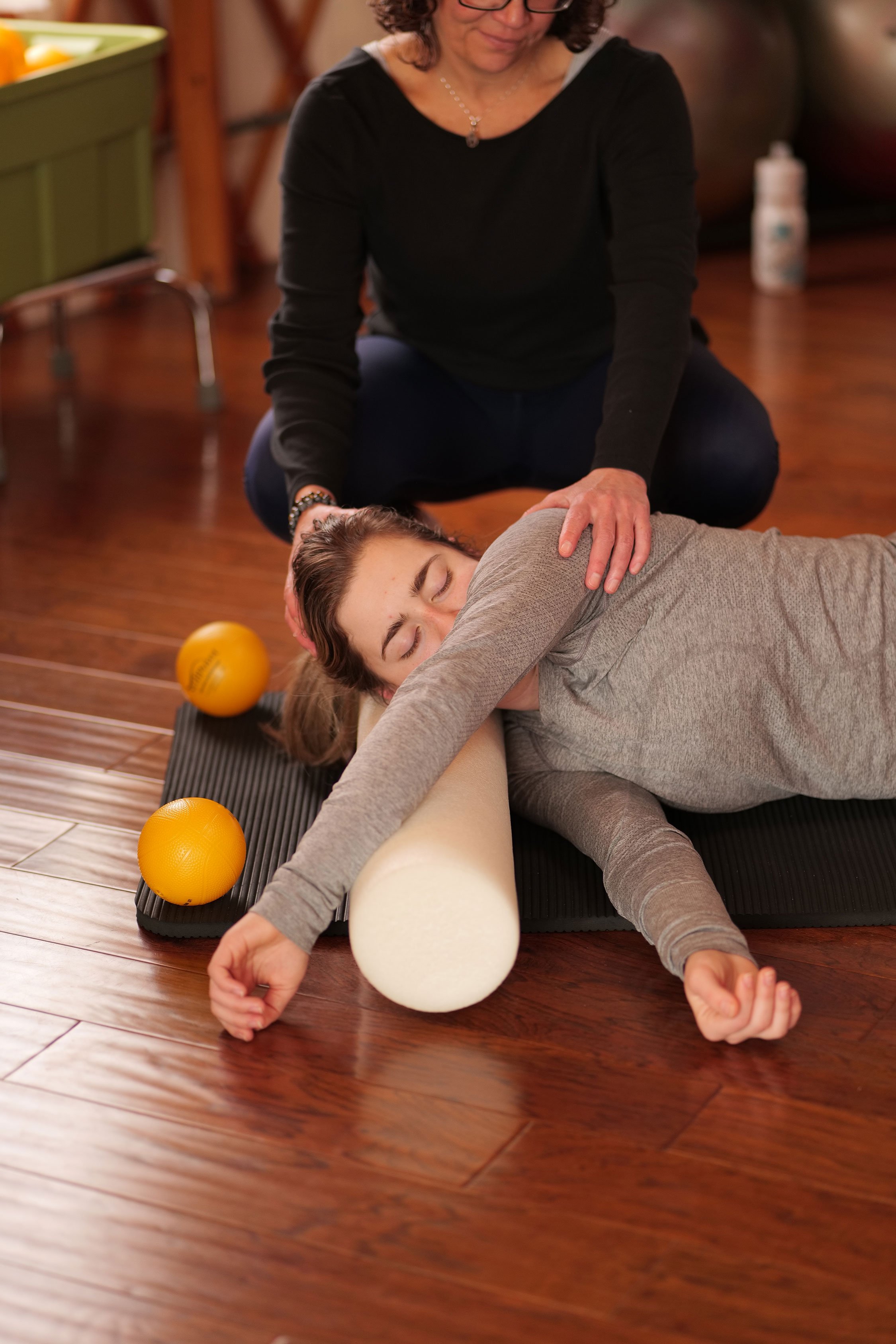
Odds are, you’re familiar with a foam roller. Find the tight spot, put the roller under it, go back and forth until something changes, or until you've had enough.
That's one use. There are a lot more.
What if rolling is only one way to use it?
Over three live sessions, we'll turn that familiar cylinder into something considerably more interesting: a tool for support, leverage, reach, rotation, pressure and space.
And a way to find out what your body actually responds to.
In this series, we’ll use a full-length foam roller. Don't have one? Find details at the bottom of the page.
“This isn't the painful foam rolling that athletes seem to suffer through.”
Kristen, Brunswick, Maine

THE REALITY CHECK
Your roller is sitting in a corner collecting dust.
Someone told you to buy it; a physical therapist, probably. You learned a handful of exercises. You know the classics: quads, IT bands, upper back. You maybe even bought the extra-firm, extra-nubby one, because somewhere along the way you got the message that if pressure is good, more pressure must be better.
And you don't reach for it very often.
Of course you don't. You were taught one use for a tool that has many, and one use gets old fast; especially if that one use hurts.
You didn't lose interest or give up too quickly.
You ran out of things to do when your body said, No thank you.
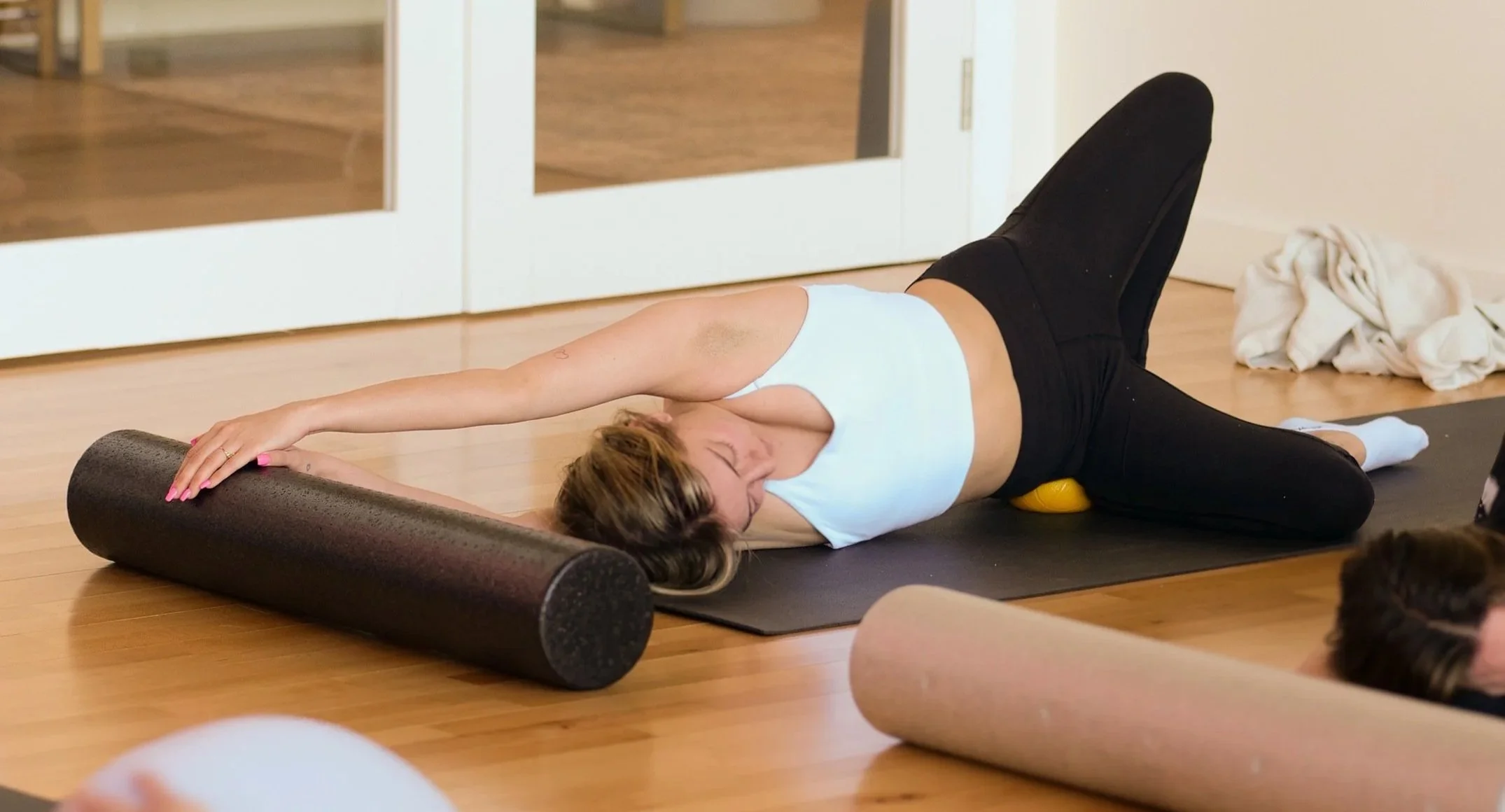
What if the most interesting thing about your foam roller isn’t
the rolling?
Pick up a full-length roller, and you have something to reach with. Stand it on end, and you have something to lean into. Put it underneath you, and it creates support, lift, or space between your body and the floor.
Push into it. Reach toward it. Move over it, around it, along it. Use it for leverage. Use it for traction. Let it hold you up just enough that a movement becomes available that wasn't available a minute ago.
And yes, lie on it and let your body weight do what body weight does.
Foam rolling stops being something you get through and the roller starts being something you work with, on your body’s terms.
What happens if you move this way? What do you notice when you lean here? What changes if you add pressure?
What happens if you use less?
Move • Notice • Respond
THE FRAMEWORK
Most of us have gotten reasonably good at noticing. We can tell when something is tight, or off, or bracing. What we were never given is a set of options for what to do about it.
That's the gap this series works in.
MOVE
Before deciding that something is wrong or needs to be fixed, we explore. We reach, rotate, bend, lean, shift, roll, and stretch. We change our relationship with gravity and the floor. We let the roller give us support, leverage and new ways into movement, and we notice what becomes available.
Movement is where we begin.
NOTICE
Your body gives you information constantly, and most of it isn't dramatic. A place that feels tight. A movement that stops sooner on one side. A position you instinctively avoid. The unexpected relief when something finally has enough support.
You need space and curiosity. That's the whole requirement.
RESPOND
Your body might want movement or stillness, more support or more space. Sometimes, yes, it wants deep compression. The point isn't to decide ahead of time that gentle beats strong, or stillness beats movement. It's to get more discerning about what you're feeling, and to have enough options that you can actually answer it.
This is the part nobody teaches.
"Renie is able to describe the indescribable and allow you to have an experience that is all your own."
Kim Fish, MFR Therapist, Yoga Instructor
Three Sessions. One Familiar Tool.
A Lot More To Discover.
LIVE ONLINE · SEPTEMBER 22, 24, 29
12–1 PM ET / 9–10 AM PT
SESSION 1: Possibility
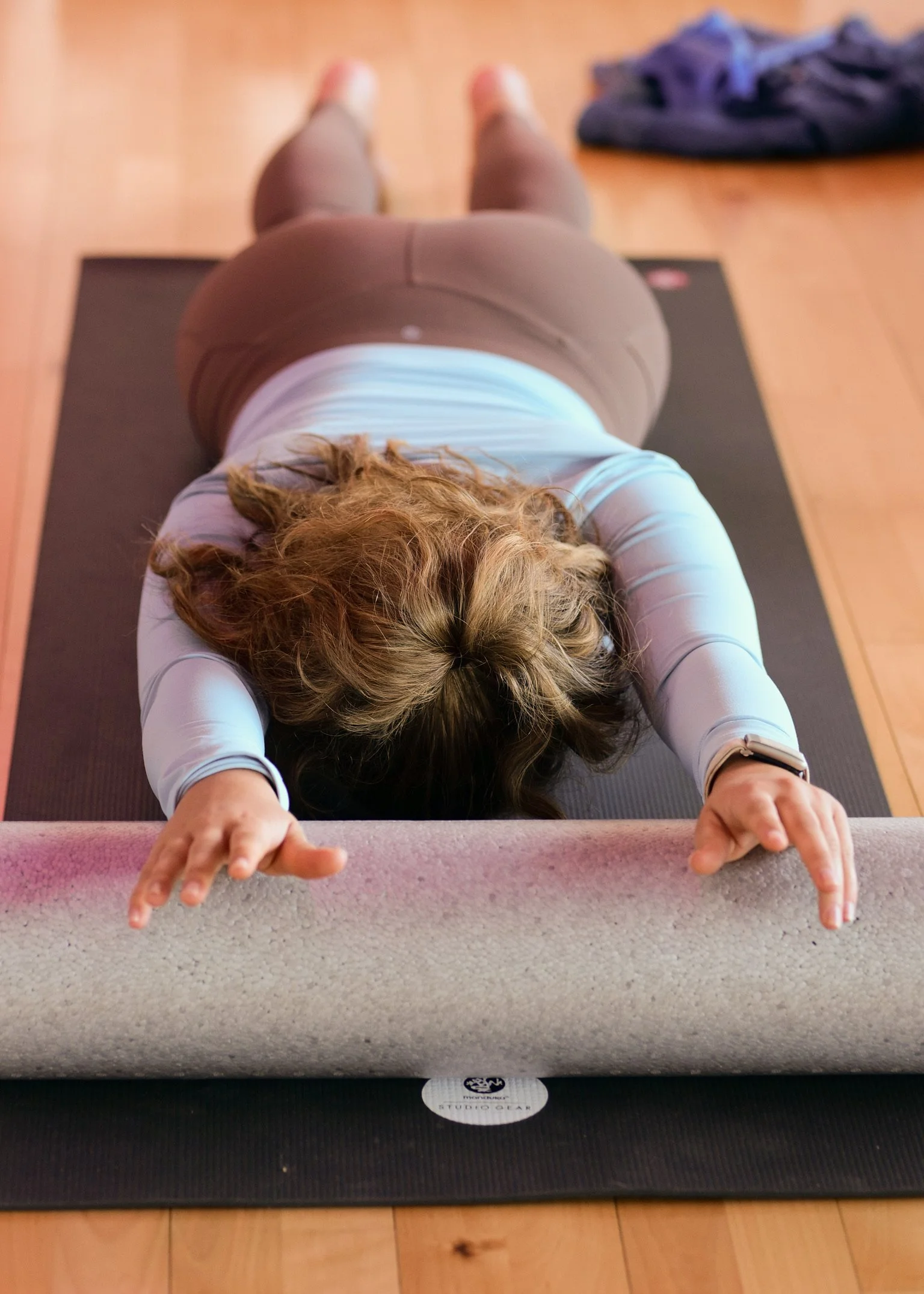
We start by getting the roller into your hands and breaking the pattern of thinking you already know what comes next.
We'll move with it before we worry about doing anything correctly. Use it for reach, support, leverage, rotation, and mobility — and notice what becomes possible when you change your relationship to the roller.
This first session is about exploration: trying things, changing things, and discovering options you didn't know were there.
By the end of Session One: I had no idea I could use it like that.
SESSION 2:
Pressure + Choice
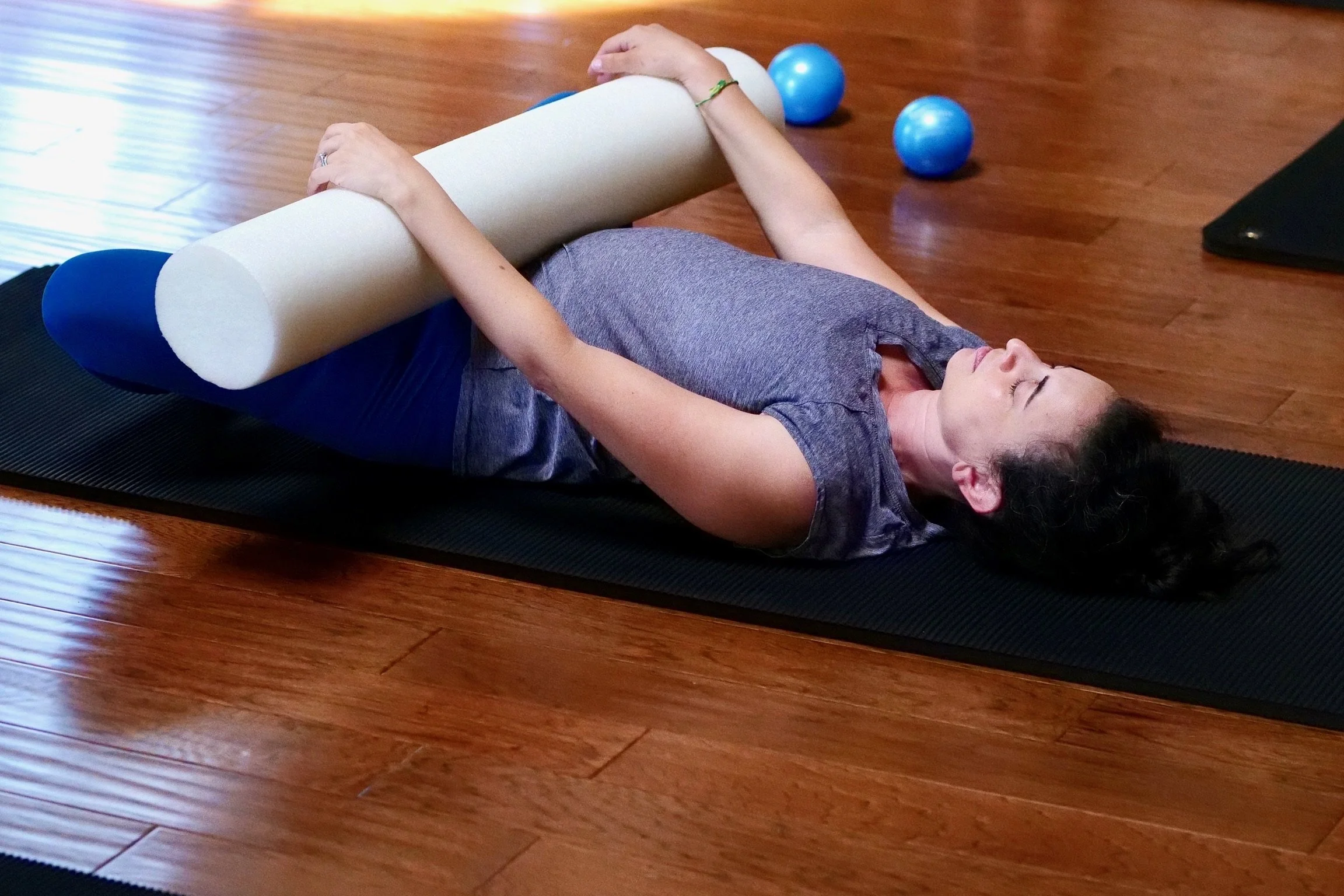
Now that the roller has more than one job, we can start making deliberate choices.
There's nothing wrong with traditional rolling. Sometimes it feels fantastic. Sometimes strong pressure is exactly what your body wants, and we’ll explore that.
But it's one option among several. We'll work with rolling and firm compression alongside subtler forms of support and movement. Add pressure. Take it away. Keep moving. Slow down. Let the roller give your body somewhere to go.
The question shifts from What can I do with this? to What does my body respond to here?
By the end of Session Two, you’ll have more options, and more confidence choosing among them.
SESSION 3:
Depth + Time
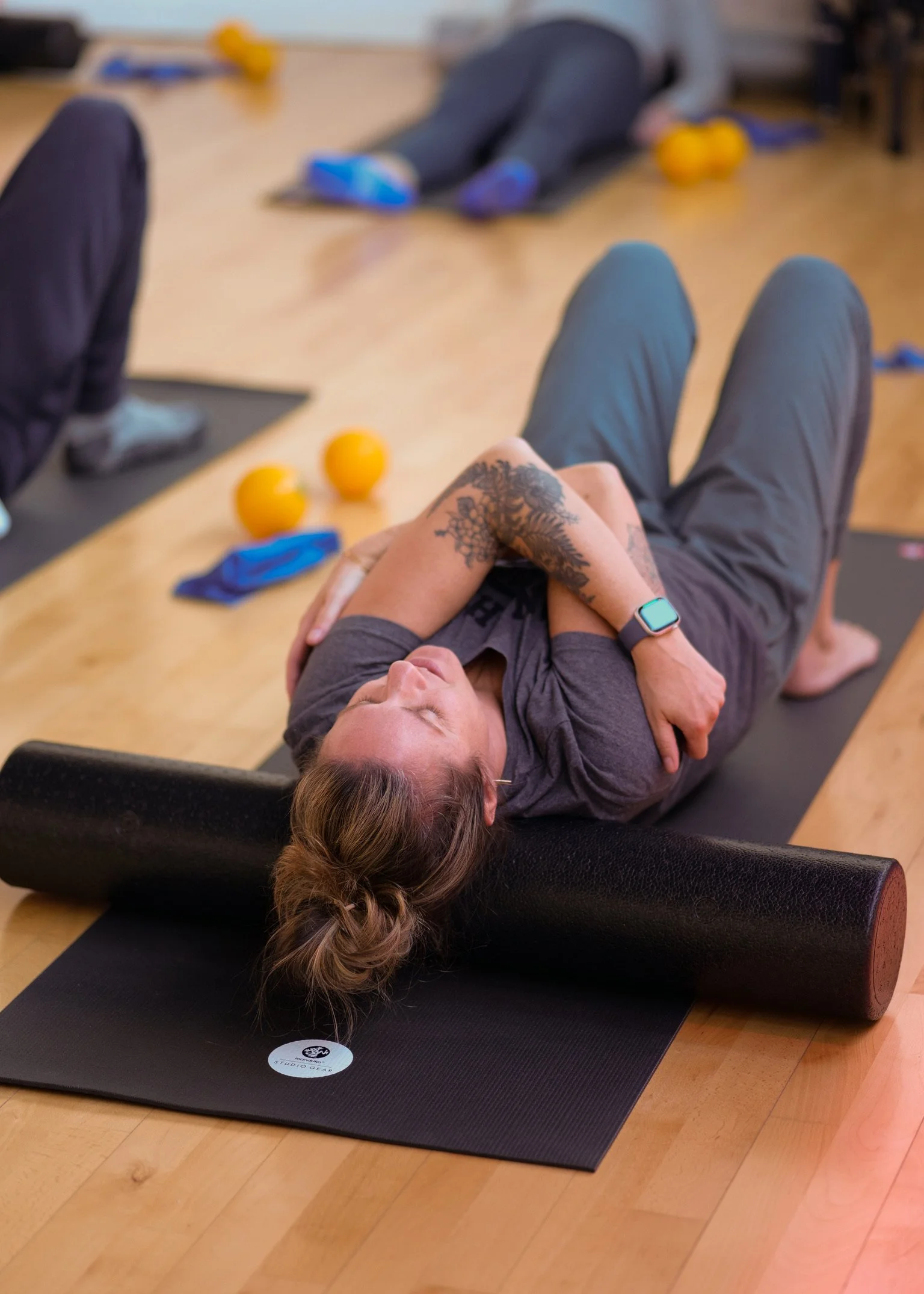
Now we explore what happens when movement stops.
We'll work with sustained pressure and pay attention to what changes when we stay. What are we looking for when we settle into an area? Why might we stay for three to five minutes, or longer? And how do you tell the difference between useful intensity and simply overpowering yourself?
This is where time becomes part of the practice. Instead of assuming that more pressure creates more change, we give the body enough time to show us what happens next.
By the end of Session Three, you'll have a better sense of when movement offers more, and when staying might.
Sometimes we stay because the body needs time.
"During your thing today, my body was like — thank you for finally recognizing that you've been driving with pedal to the metal and crashing into barricades for the last three years, and finally deciding to do something about it."
Jocelyn Ring
This is for you…
If you've gotten good at noticing,
but you've run out of things to do about it.
You've noticed the same stretch feels completely different on Tuesday than it did on Sunday. And you find that interesting rather than annoying.
You can tell when a sensation is asking for more and when it's asking you to back off. You just don't have many options for what to do about either.
You've been told to relax into it. You've also been told to push through it. You've suspected for a while that neither instruction is really about you.
You've read the books. You know what your nervous system is up to. What you want now is something that integrates this insight.
You need a roller, some floor, and enough curiosity to let your body take the lead.
This isn't a stretching challenge, a no-pain-no-gain rolling routine, or a quick-fix mobility hack. It's not fitness for strength or mobility for reps. It's definitely not yoga.
The well-known qualifiers tell you what this is not; your experience on the mat shows you what it is.
Somewhere between beating your body into submission and numbing out on the couch, there's a practice. This is that.
"I learn something every time I hear you describe a technique. It helps me explain it to clients and gives me visuals of things my clients need. And helps me along the way!"
Erin Masterson, M/OT, Myofascial Release Therapist
Have we met? I’m Renie.
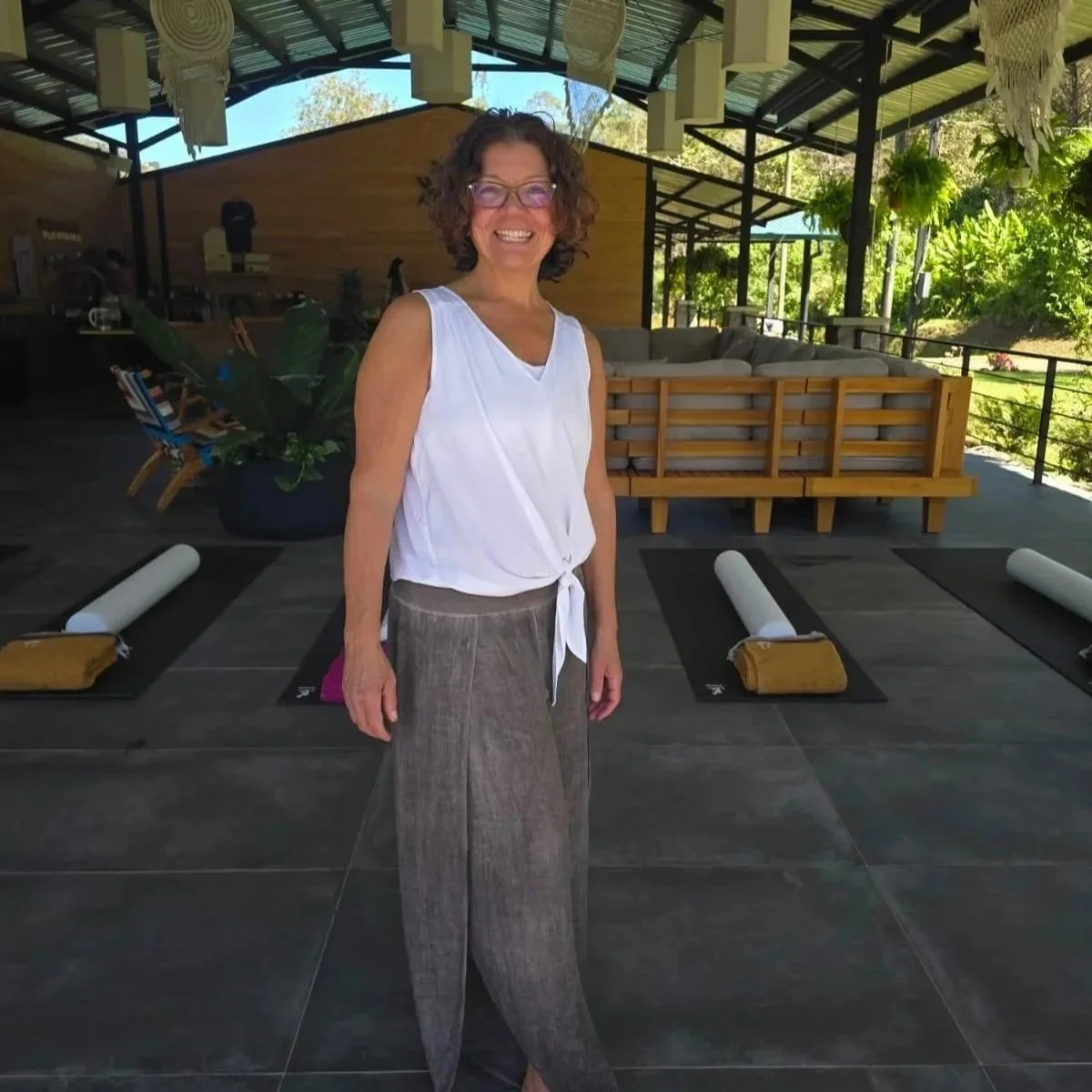
I've spent more than 25 years with my hands on bodies.
That much time has influenced how I think about movement, tightness, pressure, and the idea that every uncomfortable place needs to be fixed.
My training is in Myofascial Release. I've studied directly from John Barnes for most of those years.
But what shaped my work most was simply paying attention: noticing what happens outside of protocols and assumptions and starting to listen closely enough to hear what the body is saying.
I'm not a healer. I don't think that's a job anyone can do for you. It's an inside job, and it's yours.
Here's where I've landed after 25 years: your body deserves an enormous amount of respect. It is also just your body. Both of those are true at the same time, and holding both is most of the work.
We don't decide in advance what your experience means. If something interesting happens, we get curious about it. If something emotional surfaces, that’s natural.
And if your upper back moves better than it has in two years, that's a great outcome. It doesn't have to be more than that.
It's okay to feel what you feel.
Energetic. Physical. Emotional. Mental. Spiritual.
Not Your Average Foam Roller takes 25 years of that and puts it somewhere beautifully simple:
that foam roller sitting in your living room.

Not Your Average
Foam Roller Series
WHEN:
Three Live Sessions
SEPTEMBER 22, 24, 29
12–1 PM ET / 9–10 AM PT
WHERE:
Live on Zoom
60-minute sessions
30-day replay access
WHAT YOU’LL NEED:
Full-length foam roller required.
Enough floor space to move comfortably.
Internet connection.
A word about the foam roller:
Firmness is not a minor detail here; it's the whole point. An extra-firm roller is a good choice for extra-dense bodies. A moderate roller can support you, lift you, and hold your weight without overwhelming you, which is what gives you options. A soft roller is a viable choice for those who are more sensitive.
FOR MOST: I recommend the CanDo WHITE PE foam roller, 6" × 36", round.
There's a happy medium, you can listen to your body, get that information, and do something about it rather than beating it into submission."
-Valerie Cizek